Featured Artists
I started the Artists Showcase because these Artists defend their right to create and follow their inner mastery. I have watched them…. collaborated with them, and applaud them.
Confidence for artists doesn’t always arrive with a dramatic, curtain-rising entrance. Often it comes quietly, like a new brushstroke added to a long canvas—accumulating, adjusting, and deepening over time. For creatives, that slow-building confidence is forged in the studio, the rehearsal room, the sketchbook, the small shows and submissions that no one else sees. It grows when you choose to show up for your work day after day, even when the outcome is uncertain.
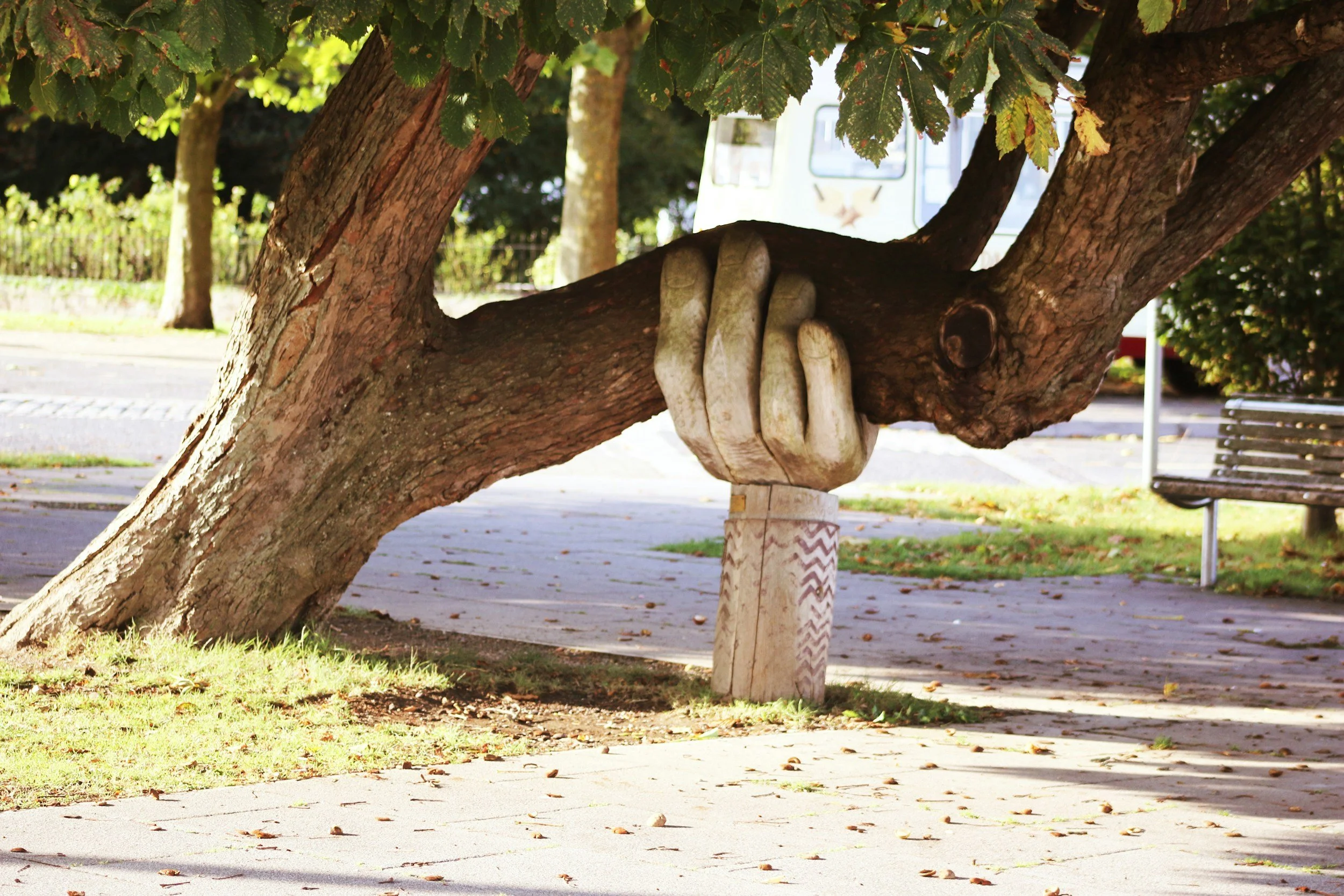
Every act of creation, however small, is an experiment that says, “I can.” You reinforce that belief each time you begin a piece, revise a draft, or play a passage you’ve never mastered. Trying despite self-doubt — submitting a painting to a juried call, sharing a poem with a critique group, performing a new song in front of friends — trains your nervous system to accept risk as part of practice. Confidence for artists is less about possessing all the answers than trusting that you can discover them through doing: through mixing a color you haven’t used, reworking a melody, or iterating a scene until it sings.
Artists often wait for the “perfect moment” — the right space, the neat studio, the validation of a grant — but waiting can become a form of self-sabotage. Real progress begins with what’s immediately available: a corner of a table, a five-minute vocal warm-up, a single line of dialogue. Big creative ambitions feel overwhelming when seen at once; momentum is generated by small, repeatable actions. The composer who writes ten bars daily will have a piece in months. The painter who commits to a thirty-minute study each morning will discover a new way of seeing in weeks. Consistency converts intention into body memory, and body memory becomes confidence.
Action creates clarity. A sketch that clarifies a composition, a rehearsal that reveals phrasing, or a draft that illuminates character will point you forward. Over time, those discrete acts accumulate into a body of work, a portfolio, a set of performances — tangible proof that your practice matters. This is especially important in creative fields where external validation can be sporadic; your own archive of attempts and improvements becomes a reliable metric of growth.
You don’t need to be fearless to make art; you only need to be willing. Willing to fail, to be imperfect, to revisit and revise. Willing to accept feedback and to guard your inner voice amid critique. Willing to keep learning technical skills and to explore new influences. Willingness opens pathways where fear would otherwise build walls.
The creative path is rarely smooth. Rejections, dry spells, and self-critical periods are part of the terrain. What matters most is persistence: returning to the work, honoring the incremental gains, and holding a vision of the artist you want to become. Cultivate rituals that make showing up automatic — a warm-up, a playlist, a timed session — and treat small victories as evidence that you’re moving forward.
Practical steps artists can use to build confidence:
Set tiny, achievable daily goals (one sketch, a ten-minute improvisation, a single paragraph).
Keep a visible record of progress: a folder of drafts, a photographed sequence of paintings, recordings of rehearsals.
Share work selectively to receive feedback and normalize vulnerability.
Study craft regularly to reduce uncertainty and expand your toolbox.
Create conditions for momentum: a consistent time and place for practice, deadlines, or accountability partners.
Celebrate progress, not perfection. Note what changed from one attempt to the next.
As you accumulate practice, each modest success will begin to recalibrate your inner narrative. The artist who once hesitated at the threshold will start opening the door more often. Confidence becomes evidence-based: a collection of acts that prove you can learn, adapt, and realize ideas.
Keep going, keep making, and trust that the very process of creating is the most honest teacher you’ll ever have.